
1. Set a hard cap and stick to it
The moment you decide on a destination, write down the absolute maximum you’re willing to spend. I usually split the total into three buckets: transport, accommodation and food. For a two‑night trip from London to the Cotswolds, my cap was £250 – £80 for the train, £120 for a B&B, and £50 for meals and incidentals. Once the numbers are on paper, any offer that pushes you over the limit is automatically rejected. It feels oddly liberating to have that clear ceiling.
2. Hunt for off‑peak transport deals
Train tickets are cheapest when booked at least 14 days in advance and for journeys that start after 9 am on a Saturday. I once saved £30 on a return ticket to Brighton by using the “Advance” fare and travelling on a 10 am service instead of the 7 am rush‑hour option. If you’re flexible with departure times, check the rail operator’s “cheapest fare” filter – it often reveals a 20‑30 % discount compared with the standard fare.
3. Choose “live‑like‑a‑local” lodging
Instead of a chain hotel, look for guesthouses or self‑catering cottages that charge per night rather than per person. A cosy cottage in Norfolk listed for £95 per night includes a kitchen, so you can whip up breakfast and a simple dinner for under £10. Compare this with a hotel that costs £130 per night but adds a £20 breakfast charge. Over a weekend, the cottage saves you £55 – enough to splurge on a local attraction.
4. Plan meals around supermarkets and markets
Breakfast is easiest: buy a loaf of bread, a tub of butter and a pack of eggs from the nearest supermarket – total under £5 for two days. For lunch, hit the town market and pick up fresh fruit, cheese and a baguette; you’ll spend roughly £7 per person. Dinner can be a one‑pot pasta or a stir‑fry using a single protein and a bag of frozen veg – all for less than £12. By cooking yourself you avoid the typical £15‑£20 restaurant markup.
5. Build a tiny “fun fund” and track it
Allocate a fixed amount – say £30 – for activities that you can’t do at home. In Bath I paid £12 for a Roman‑bath entry ticket and used the remaining £18 for a short boat ride on the River Avon. I kept a small notebook in my pocket and wrote down each expense as it happened; the act of recording made me more mindful, and I never exceeded the fund.
If you fancy a quick online casino spin, try the nine win promotion for a light‑hearted break.
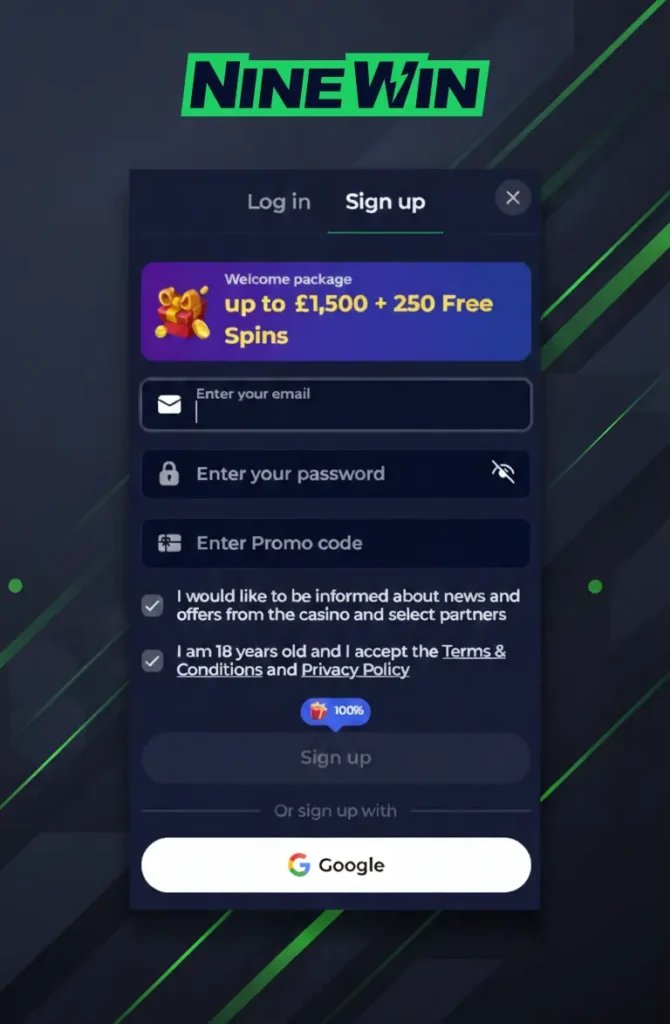
Even the most disciplined budgeter can feel the temptation to splurge on a night out. That’s where a little diversion can help. While waiting for the train, I often browse quick‑fire games that offer a modest “nine win” – a harmless way to pass a few minutes without denting the wallet.
Wrap‑up: keep it simple, keep it real
The secret to a stress‑free weekend isn’t cutting out all pleasure; it’s about setting clear limits, choosing value‑packed options, and tracking every pound. When you return home with a tidy receipt pile and a smile, you’ll know the trip was both affordable and enjoyable. Next time you plan a break, start with a £250 ceiling, hunt those off‑peak tickets, and let the savings fund the experiences you really want.
Frequently Asked Questions
How do I set a realistic budget for a weekend trip?
Write down a hard cap, then split it into transport, accommodation, and food. Reject any offer that exceeds the limit.
What’s the best way to save on transport?
Book tickets in advance, look for off‑peak discounts, and consider shared rides or budget airlines.
How can I keep accommodation costs low?
Choose budget hotels, B&Bs, or short‑term rentals, and book early to lock in lower rates.
What are tips for eating cheaply while traveling?
Plan simple meals, shop at local markets, and avoid dining in tourist hotspots.

